Anishinaabe / Nakawē (Saulteaux) · Fishing Lake First Nation
His Story
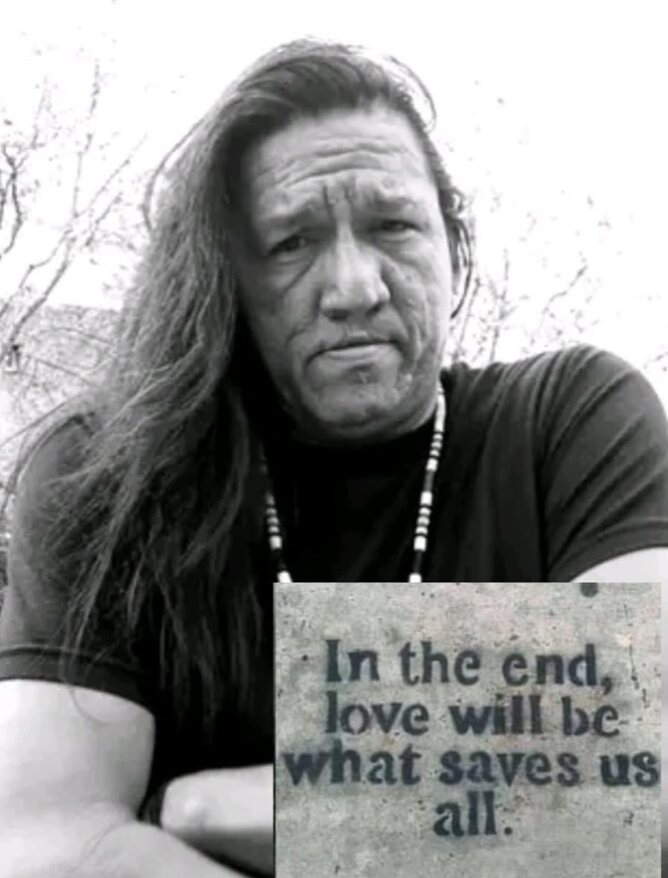
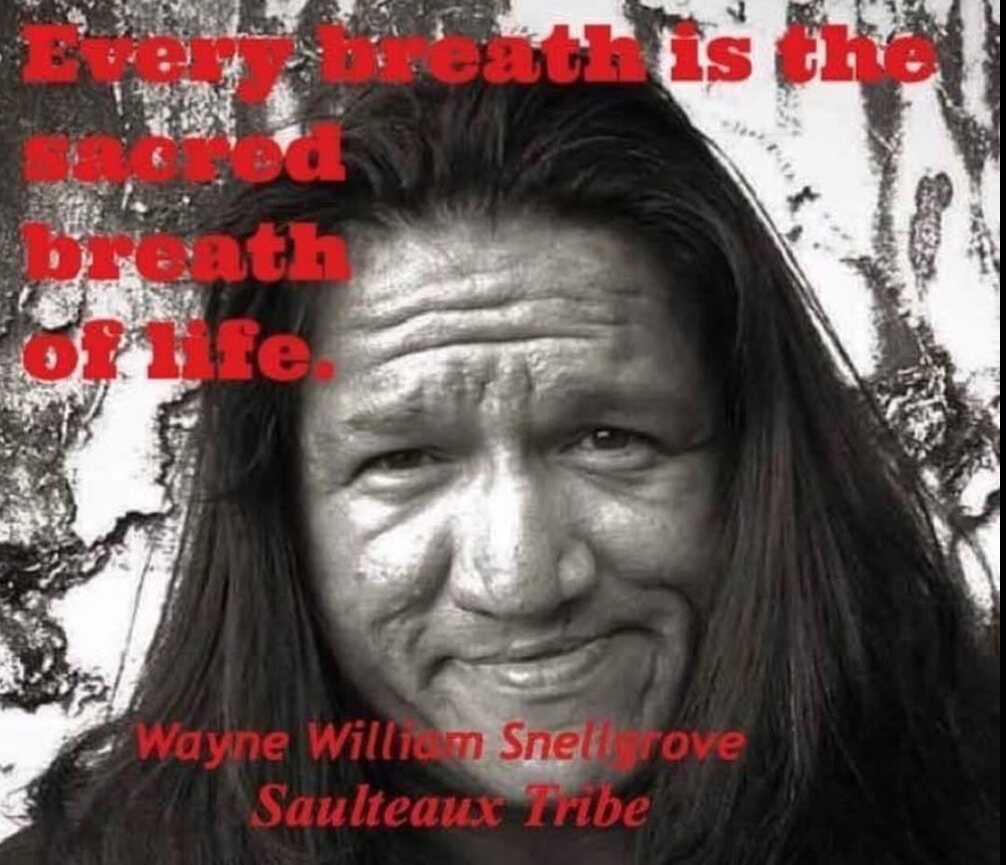
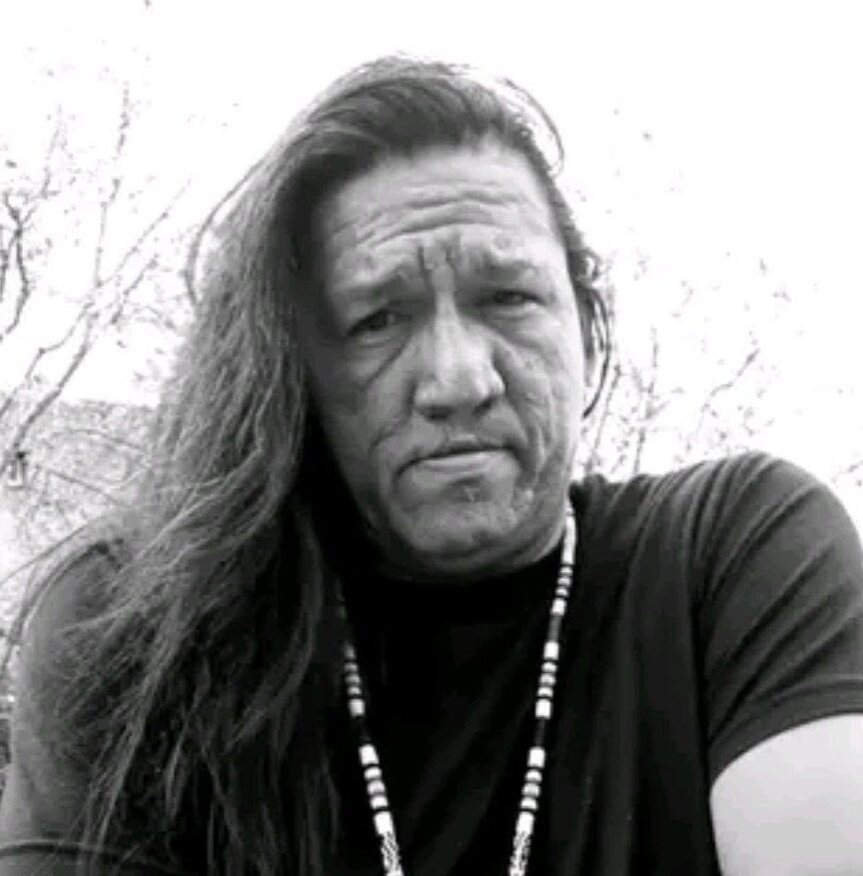
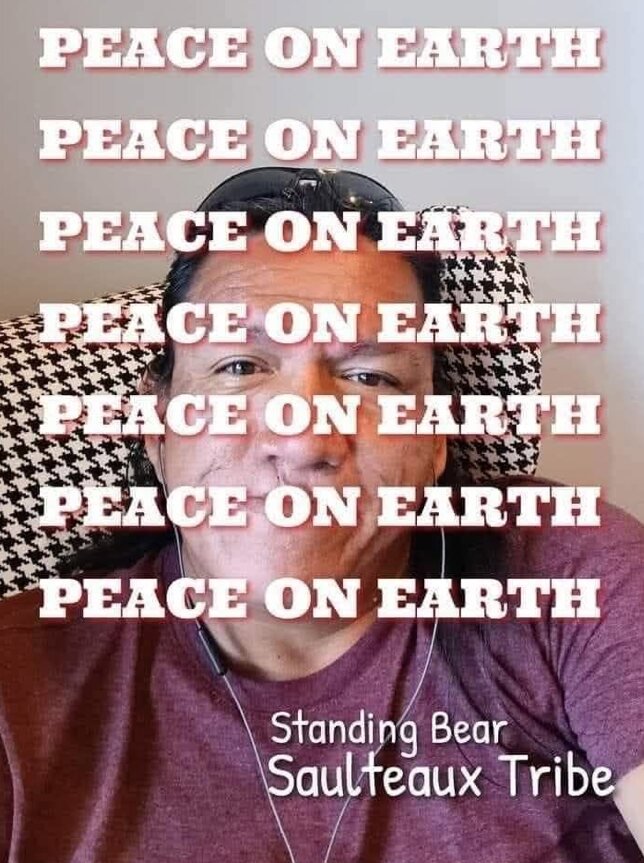
Standing Bears, Wayne William Snellgrove, rejoined the ancestors on July 2, 2026, in Sedona, Arizona. He was 55 years old.
His life began with a disappearance.
Born Duane Ivan Smoke in Saskatchewan, Canada, on April 9, 1971, he was the Nakawē Anishinaabe son of Nora Smoke of Fishing Lake First Nation. During his birth, Nora slipped into a diabetic coma and nearly died. When she awoke 31 days later, her baby was gone.
Wayne had become one of an estimated 20,000 Indigenous children removed from their families during Canada's Sixties Scoop. He was taken nearly 800 miles away and placed in government care. He spent his earliest years being moved through state-run facilities where he was tortured, abused and separated from his mother, his Nation, his language and his name.
The United States did the same thing on its own side of the border with the Indian Adoption Project, which stripped Native children of their parents, language and culture from 1958 to 1967. In those same years it was dissolving tribes outright under the Indian Termination Policy (1953–1968).
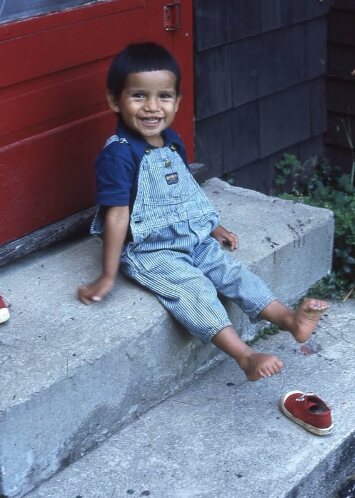
But Nora never forgot him. She marked his birthday every year.
Before he turned four, Wayne was adopted by Richard and Ann Snellgrove and brought to the United States. Richard was a distinguished chemist, inventor and naturalist with a PhD from the University of Wisconsin/Madison and Cornell and multiple patents from his career at GTE/OSRAM Sylvania. Ann held a PhD in nutrition. Together, they gave Wayne and their other adopted son, Tom, stability.
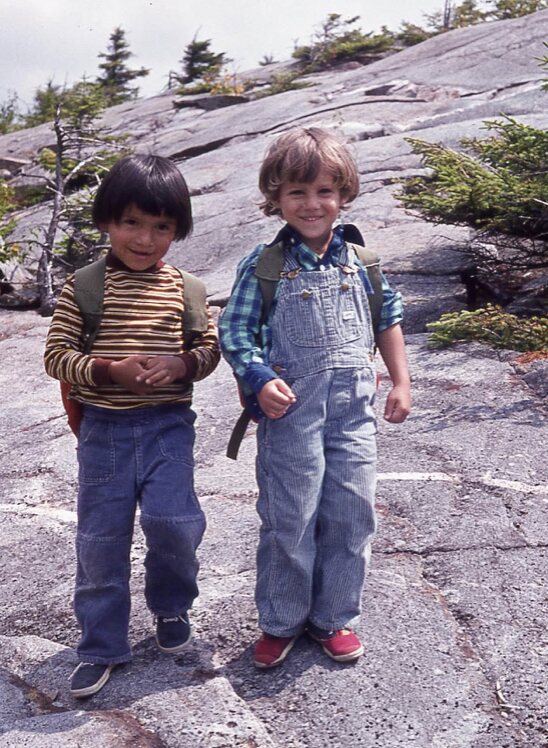
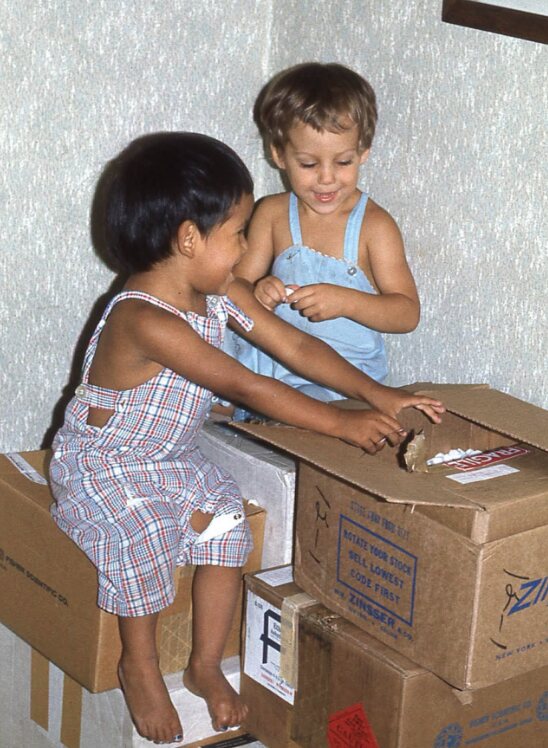
Richard carried the mind of a scientist and the heart of a conservationist, a deep curiosity about how the world worked and an equally deep commitment to protecting it.
But stability could not erase separation.
Wayne was born with a cleft lip and palate. By the time he was seven, he had endured approximately 20 surgeries as his face and mouth developed. He stuttered and underwent years of speech therapy. Beneath the medical interventions lived a child carrying grief he could not yet name: the grief of losing his mother, his identity and his first home before he could speak. He attempted to take his life for the first time around age 7.
Then he found water.
Wayne and his brother, Tom, discovered that in the water, Wayne was extraordinary. The child who struggled to speak could move through a pool with unmistakable power. By age ten, he was among the 5th fastest young swimmers in the United States.
Water became the place where he could soothe his heartbreak.
Even after being diagnosed with a rare heart condition and warned never to swim competitively again, Wayne refused to surrender the water. He continued training, breaking records and winning championships, even as injuries, depression and substance use threatened to pull him under.
At the elite Peddie Boarding School, he began confronting his substance use and eventually left to detox. At Danvers High School near Boston, he returned to competition with astonishing force, breaking four league records and five school records. His 1988 yearbook called him “perhaps the best swimmer the Northeastern Conference has ever seen.”
Then, just before the most important year of his young career, a severe shoulder injury took him out of the pool.
The Olympic path seemed to disappear overnight.
Still, Wayne earned a full scholarship to La Salle University. He soon left and traveled to Florida, where the ocean offered him another beginning. The pool had broken his body. The open water rebuilt it.
He joined the Hollywood Beach Patrol, eventually helping lead it, and performed rescue after rescue. His brother Tom estimated that Wayne saved roughly a dozen lives each year for more than 10 years. Saving people was never a side note in Wayne's life. It was part of who he was becoming.
The injured pool swimmer remade himself as an elite open-water marathon swimmer. He competed in 5-, 10- and 25-kilometer events, represented the United States internationally as a member of the USA Swimming National Team, and became a two-time U.S. national champion, winning the 5-kilometer title in 1995 and the 10-kilometer title in 1996.
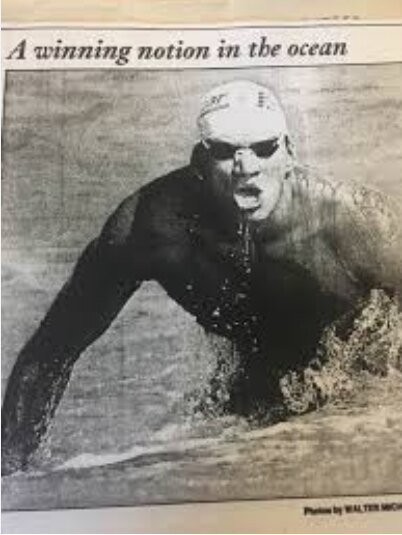
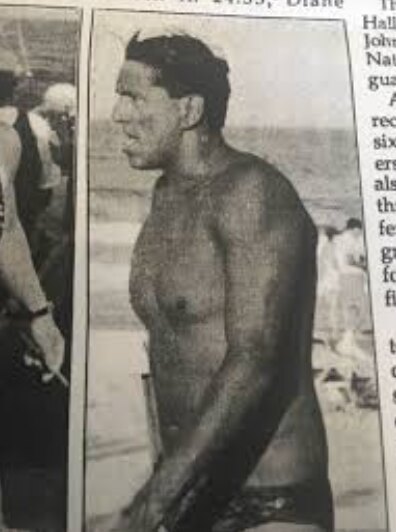
The child once taken from his people had become the first and only Native American ever to hold a U.S. national open-water title. He did it twice.
But victory could not silence the grief.
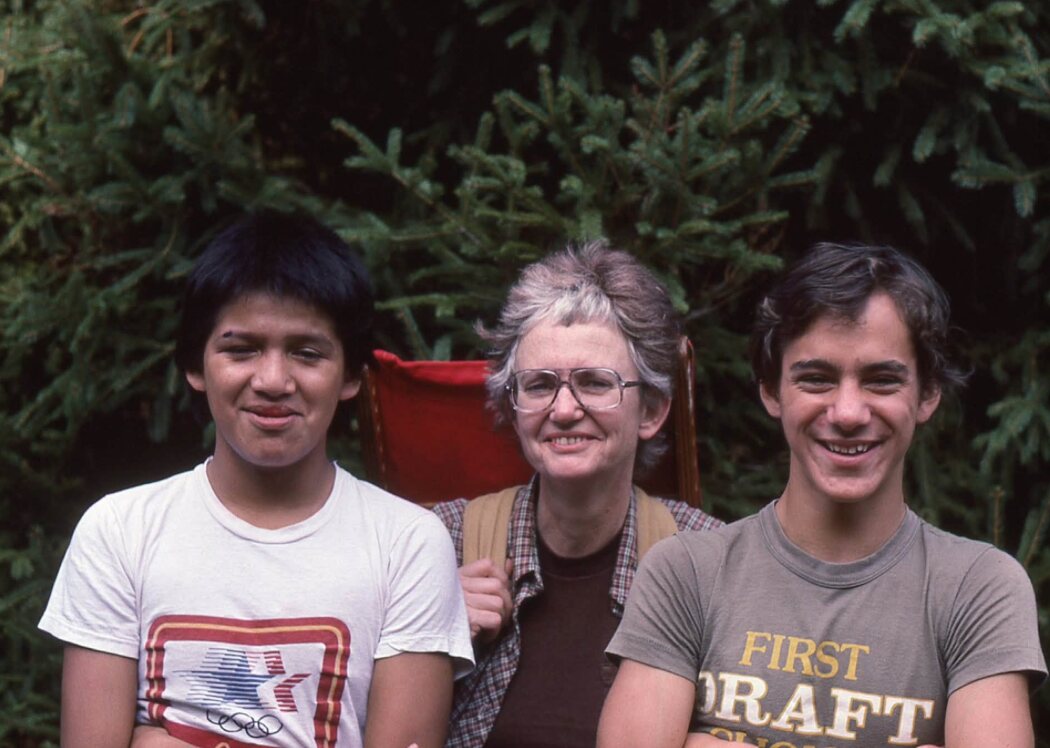
In 1997, Wayne's adoptive mother, Ann, died from cancer. Standing beside her casket, something inside him finally broke open. The sorrow was larger than one death. It was the grief he had carried his entire life, the pain of losing not one mother, but two.
He became determined to learn the truth.
Hidden inside his adoption records, he discovered his original name: Duane Ivan Smoke. He hired an investigator and began searching for the woman who had never stopped searching for him.
At 32, Wayne stepped from a tiny plane onto the tarmac in Wadena, Saskatchewan. Waiting there was a sea of Indigenous faces, and in the center, his mother.
For the first time in his conscious life, Nora Smoke held her son.
There was no language large enough for that moment. Thirty-two lost birthdays collapsed into a single embrace. Wayne learned that Nora had remembered and celebrated him year after year. He had never been abandoned. He had been taken.
Through Nora, Wayne was reunited with his sisters, Myria Smoke and Sindel Smith, and his brothers, Sheldon Smoke and Joe Smoke. At 47, he also met his biological father, Robert Kayseas. Wayne discovered a paternal lineage of storytellers, medicine people, scholars and community leaders.
He had spent a lifetime wondering where he came from.
Now he knew.
In 2001, Wayne married Caroline LaFontaine. Together they had a son, Alexander, whom Wayne loved deeply. The marriage later ended, and Alexander returned to Canada with his mother.
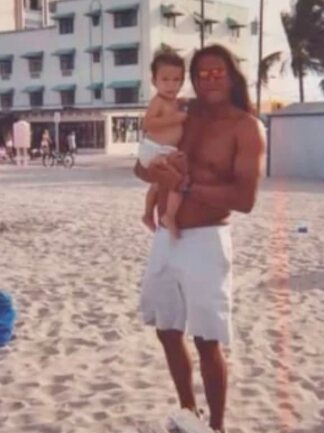
But another meeting had already begun to alter the direction of his life.
In Florida, Wayne encountered Elder Grandfather Tony StoneHawk of the Nanticoke Lenni-Lenape Nation. Grandfather Tony looked at him and asked:
“Hey, Indian. Do you want to go to a ceremony?”
Wayne said yes.
He did not yet understand that he was saying yes to the Red Road. Yes to responsibility. Yes to ceremony. Yes to deeply connecting to the natural world and everything a part of it.
For more than 30 years, Grandfather Tony served as Wayne's elder, teacher and spiritual grandfather. He guided Wayne into his responsibilities as a healer, fire keeper, ceremony leader and advocate for Indigenous people. Grandfather Tony's legacy has been recognized by the Smithsonian's National Museum of the American Indian, where his cultural work is represented.
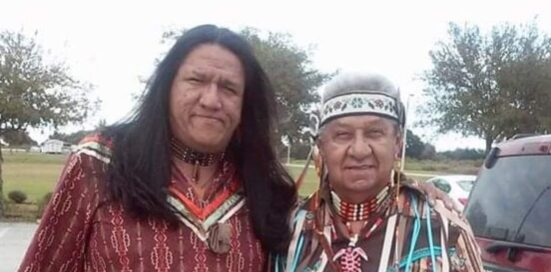
Together, Grandfather Tony and Wayne carried ceremony and healing into Florida's state and federal prisons. They went to people society had locked away and reminded them that their spirits had not been erased. They brought prayer, Indigenous teachings and the medicine of connection into places built around isolation. Wayne understood the men he met there because he knew what it was to be separated from identity, family and belonging. He did not enter those prisons to save anyone. He entered to remind people that they were still human, still connected and still capable of returning home to themselves.
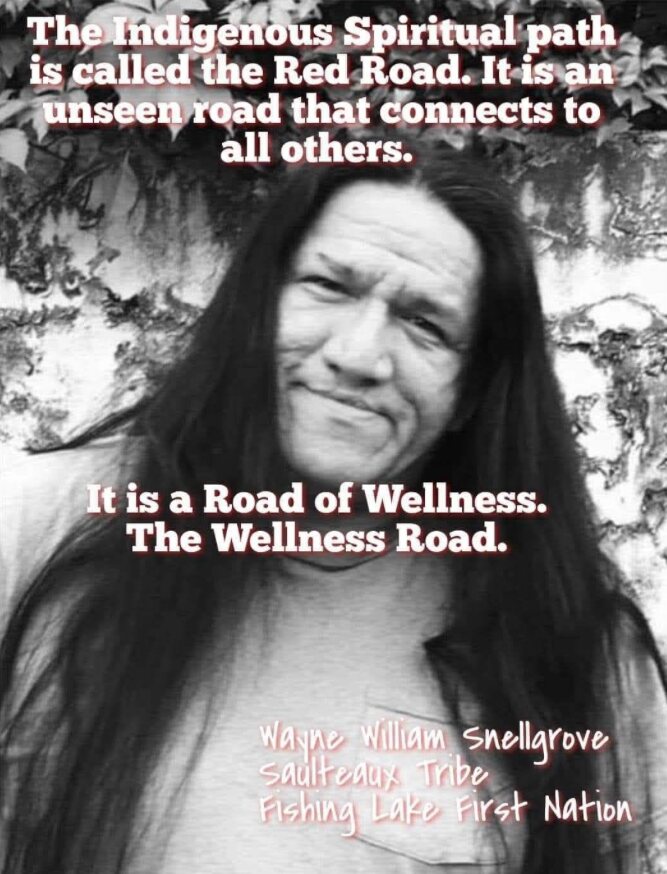
For Wayne, the Red Road was not an identity to perform. It was a way of living in relationship, with Creator, Mother Earth, the ancestors, the elements and all beings that sustain life. It required truth, humility, discipline, service and the courage to turn suffering into medicine.
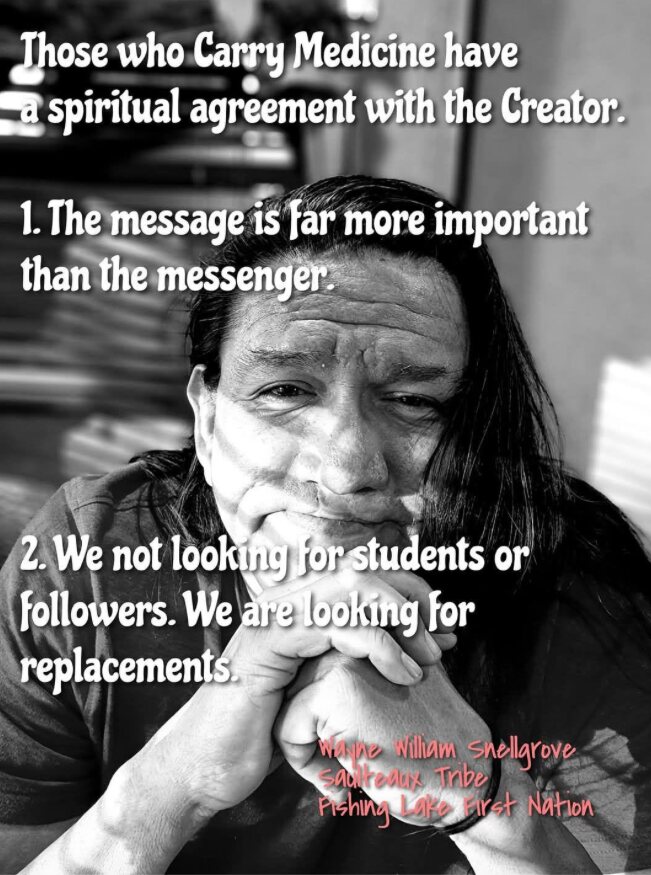
Those who sat with him describe a man who could see what you carried before you spoke it. Who knew things he had no ordinary way of knowing, and could move energy that would not shift on its own. In his tradition this is not remarkable. It is what a healer is.
Wayne spent more than 25 years carrying that medicine into the world. He helped build sweat lodges, tended sacred fires, supported ceremony, spoke in prisons and addiction centers, and conferences and offered healing across cultures and continents.
Shortly before his crossing, he and Jim GrayWolf built a sweat lodge near Montezuma Wells in Arizona, creating another sacred place where people could gather, pray, heal and remember their relationship with the Earth.
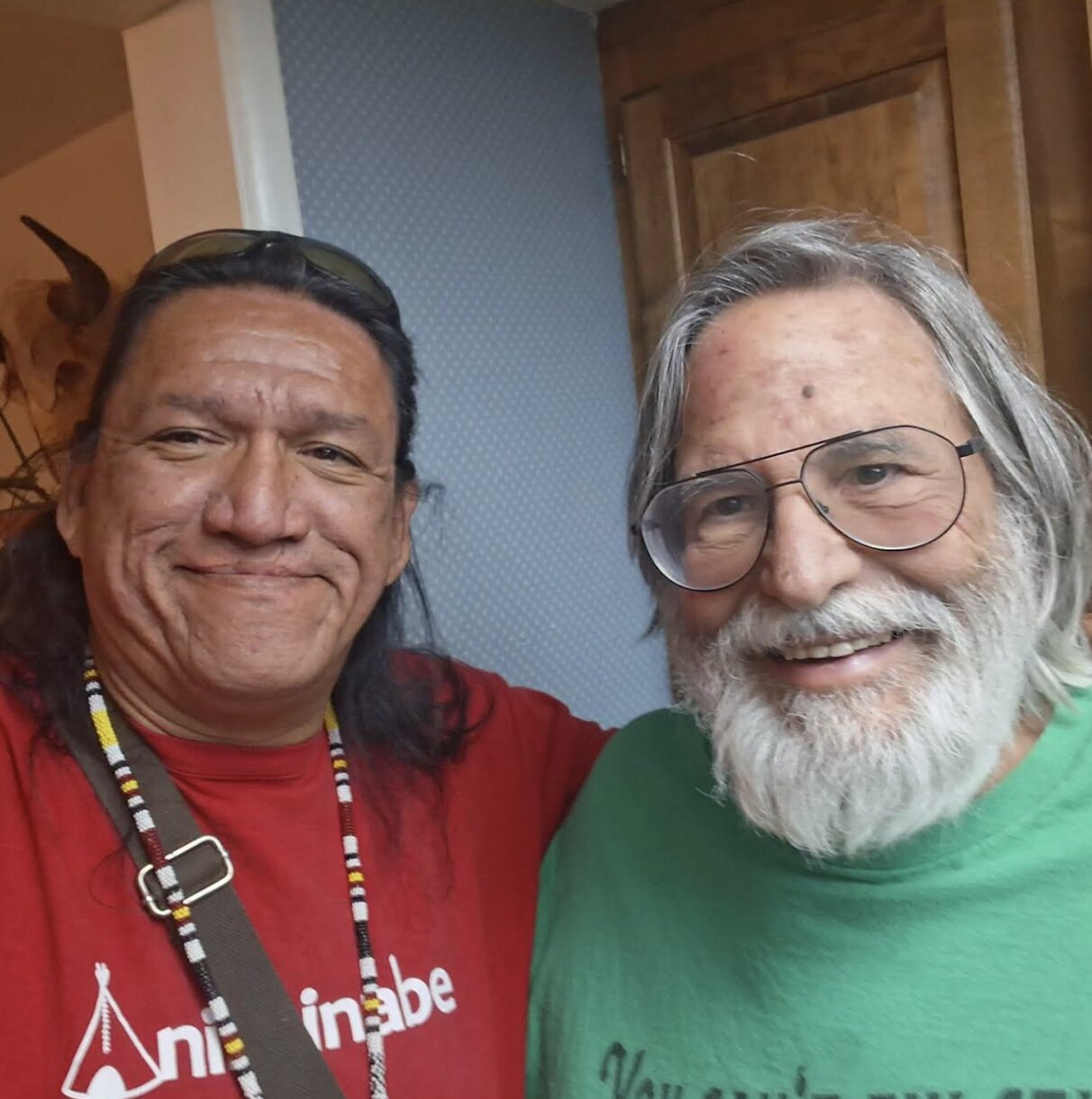
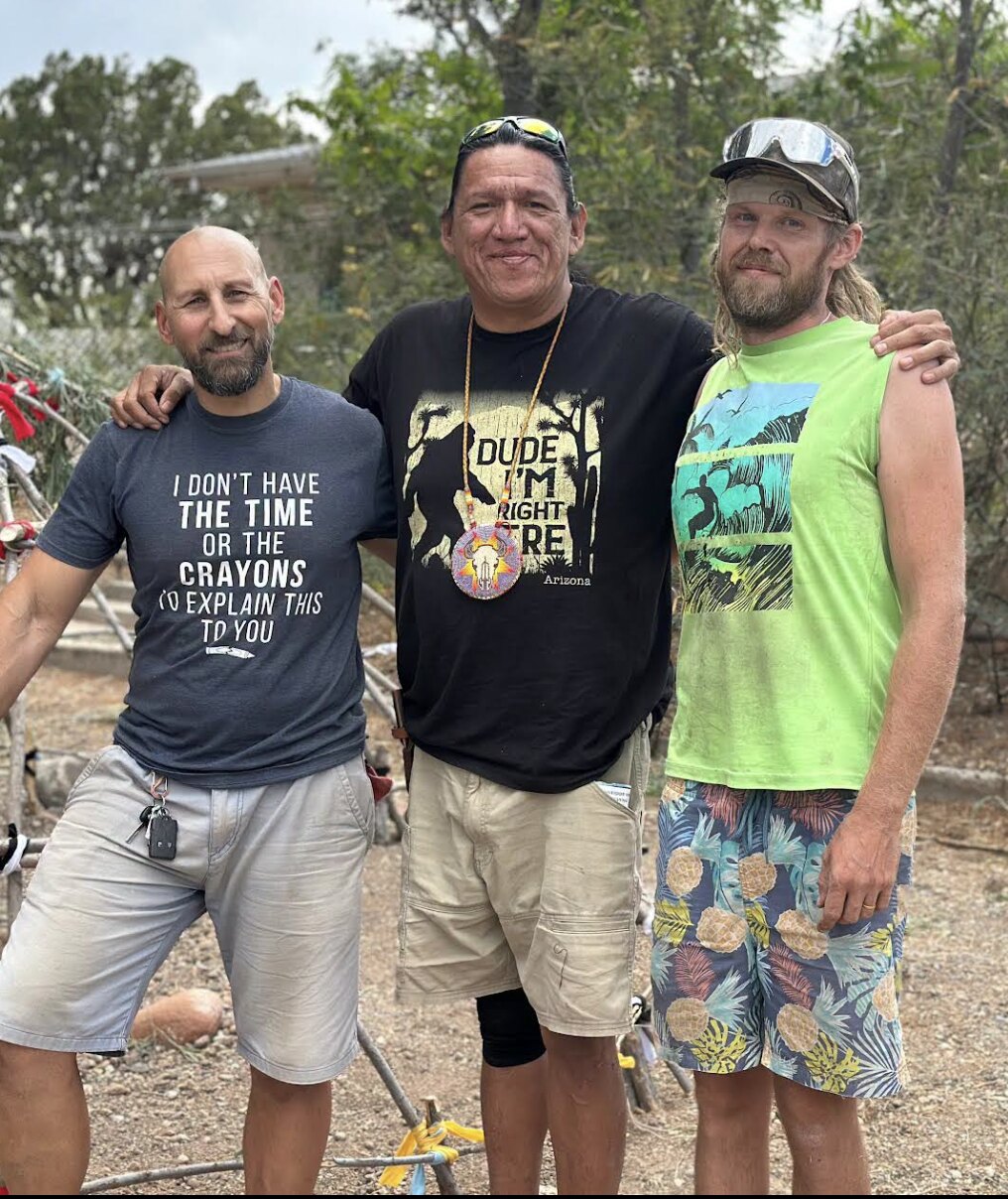
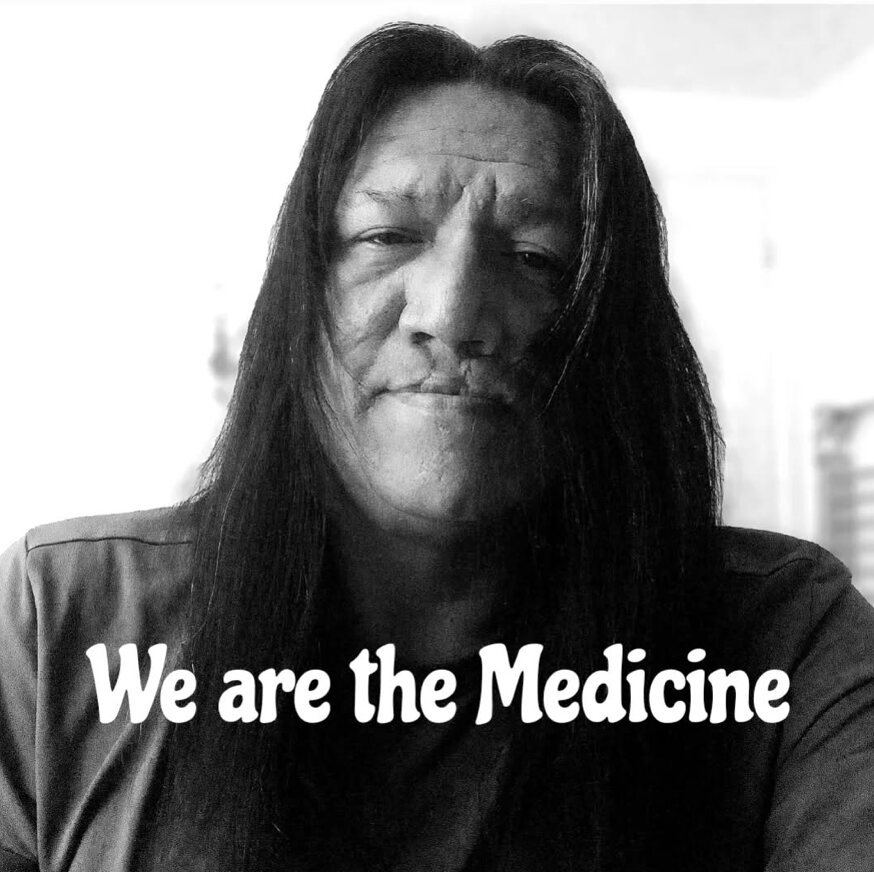
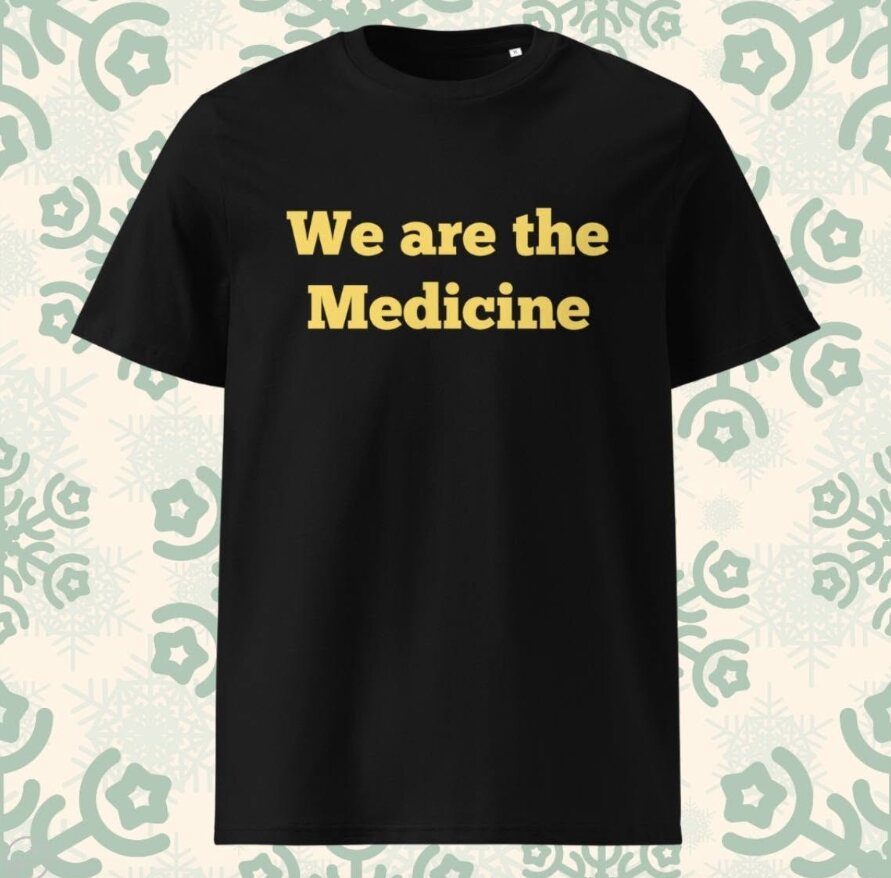
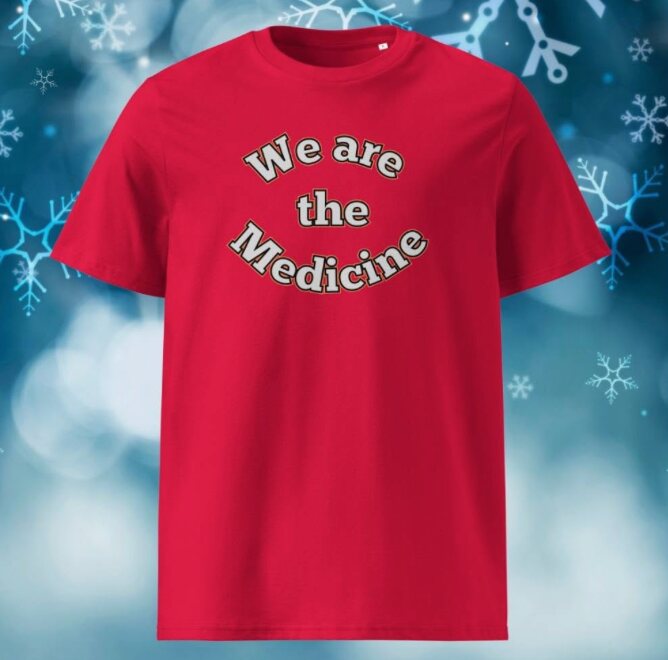
Wayne was also an artist, musician and Native American flute player. His music carried the same prayer, healing and ancestral remembrance as his ceremonial work. In collaboration with Max “Wind” Cameo in Germany, Wayne created the Native American Flute Music Album. Their video “We Are the Medicine” won Best Music Video Narrative at the 2025 Native American Music Awards.
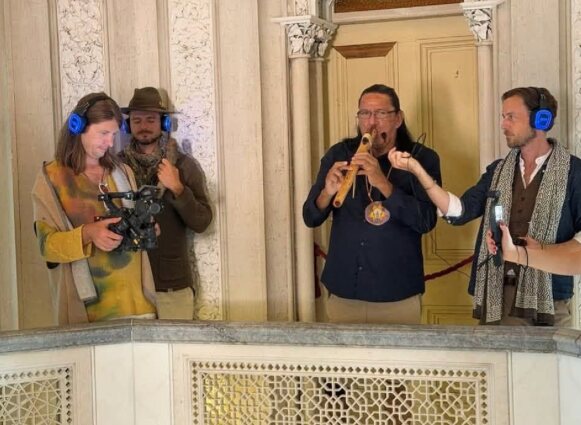
His breath became music.
Wayne traveled to Japan with Ben Bowler and UNITY EARTH as part of a global mission to bring artists, spiritual leaders and wisdom traditions together, using music, grid work, ceremony and dialogue to build world peace and honor the understanding that humanity is one family.
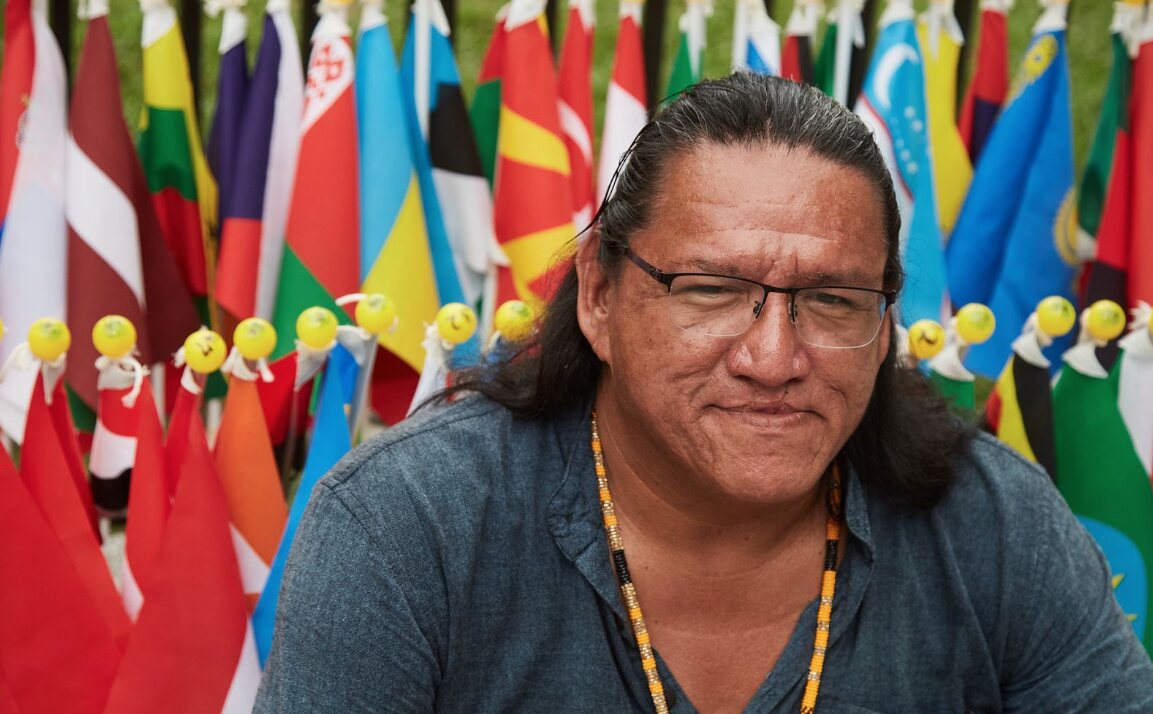
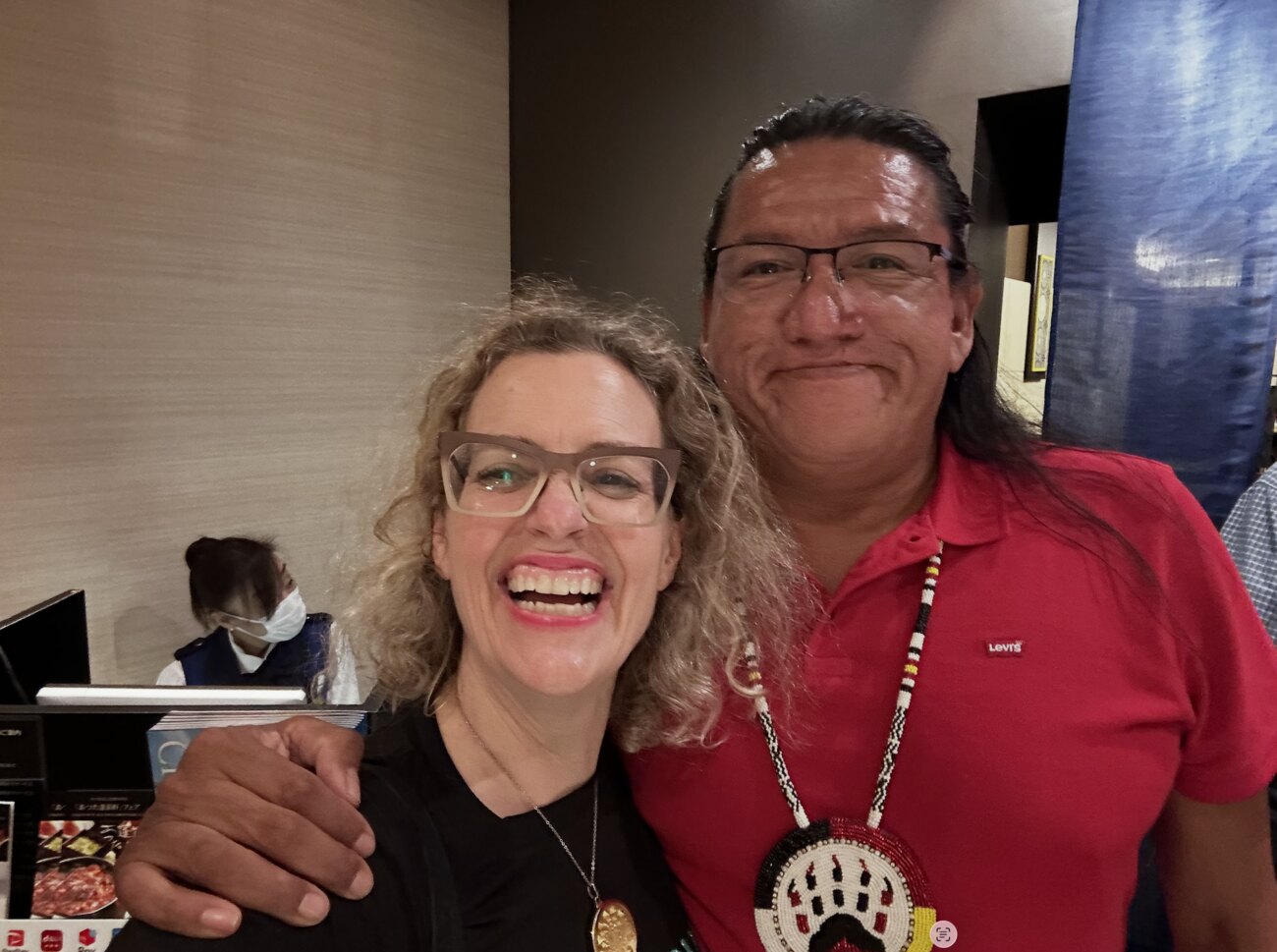
Music also brought Wayne to Tokyo, Japan in 2024, where he performed as part of Ben Bowler's Unity Earth Peace Week. It was there, on the other side of the world, that he met Zenka Caro, a consciousness researcher. Their paths crossed through music and grew over time into a loving partnership. At the time of his crossing, Wayne was living with Zenka in Sedona, Arizona, where they were traveling and working on projects as diverse as water, fashion, peace and healing.
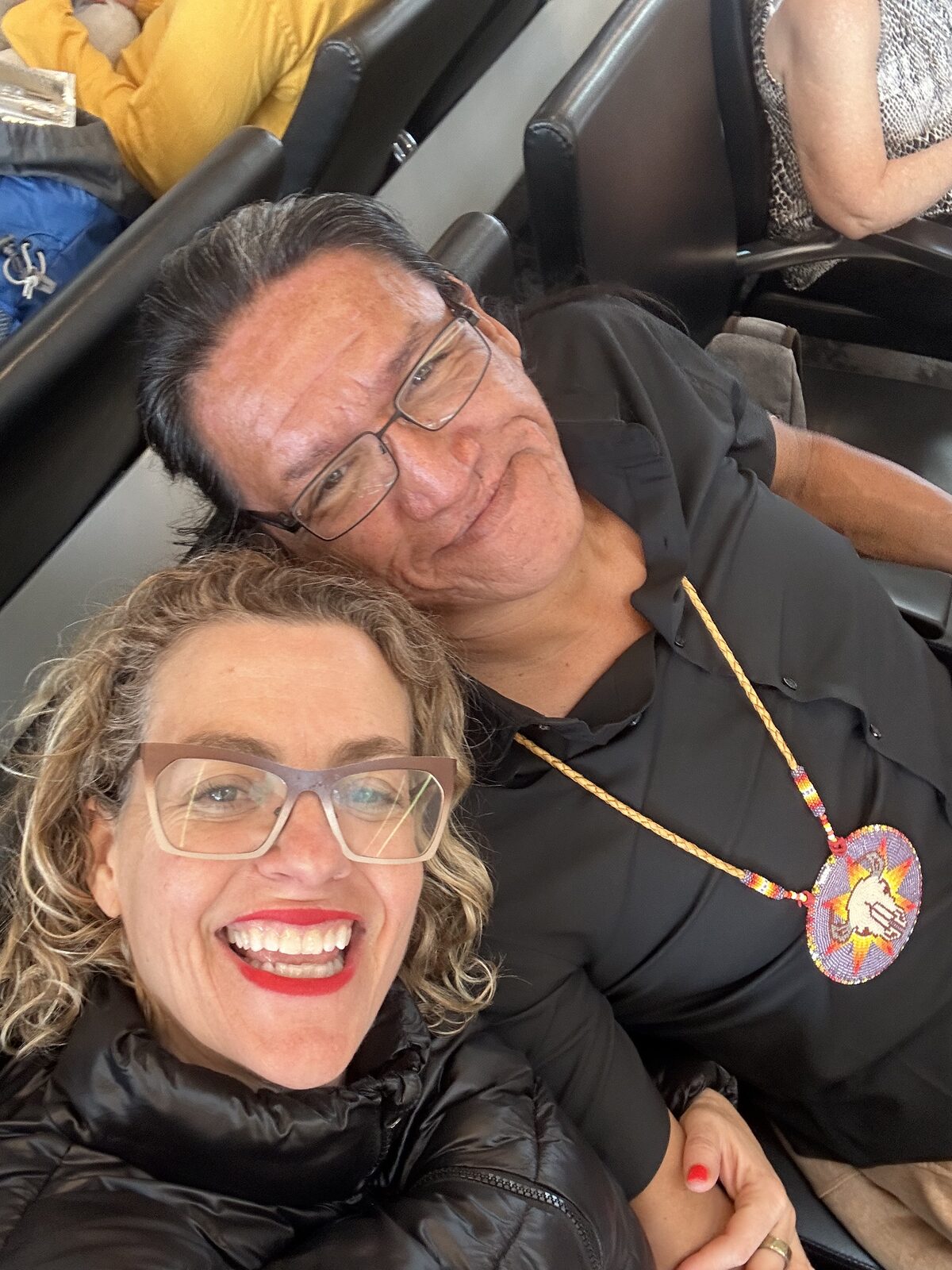
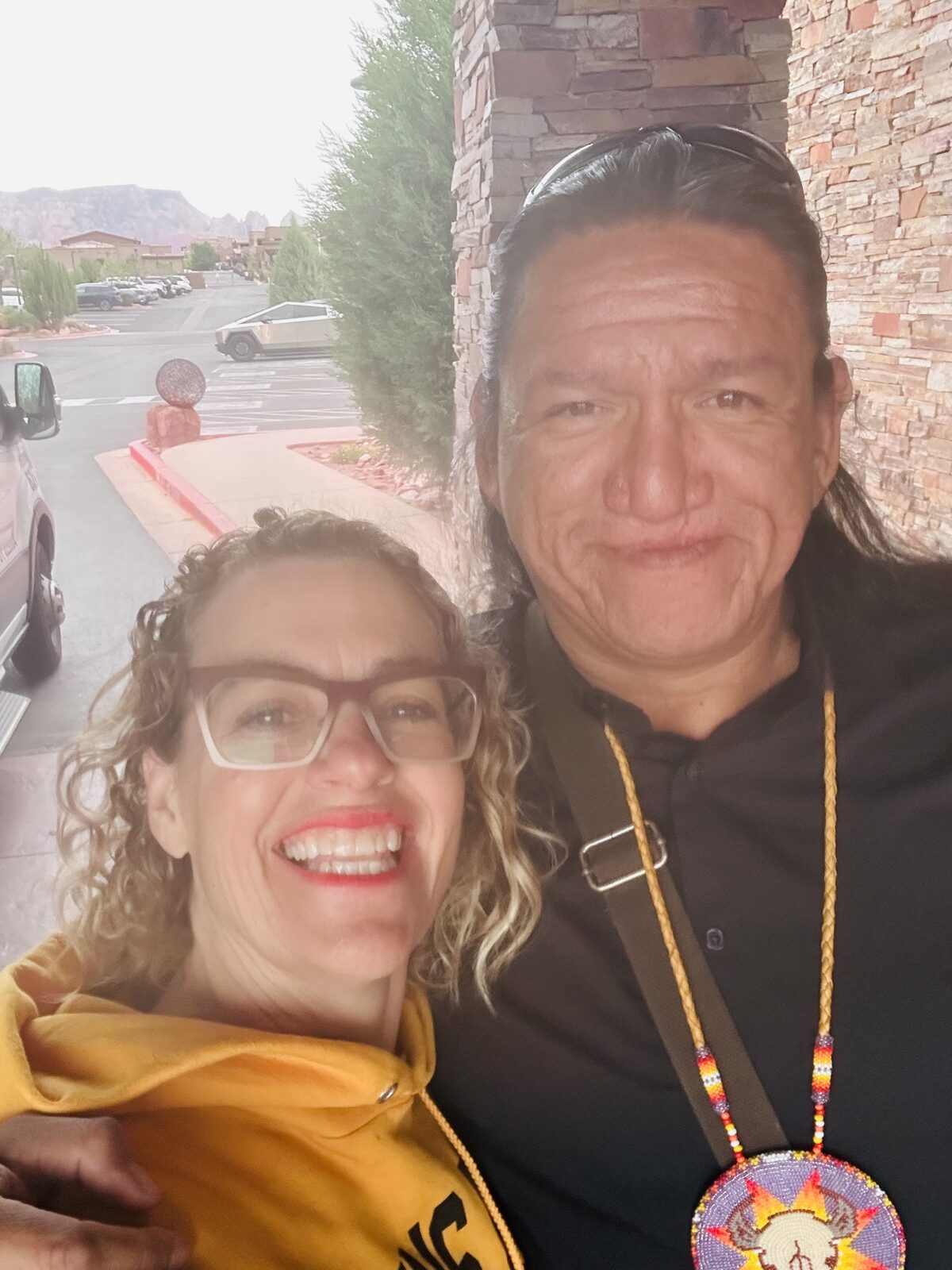
Water remained at the center of Wayne's life until the end.
Water is safety. Water is what connects us all.
Protecting the water was not separate from Wayne's spiritual work. It was the spiritual work.
One of Wayne's final and most beloved creations was We Are the Medicine, a 50K strong Facebook online healing circle founded on a radical truth: the medicine we seek is not somewhere outside us. It lives within our relationships, our stories, our ancestors and our willingness to show up for one another.
The circle meets 20-23 times a week for the last 10 years and has become a place where people could pray, grieve, listen, laugh and remember that healing was never meant to happen alone. Under the leadership of Jenny Jones, We Are the Medicine continues to gather and carry Wayne's healing mission forward.
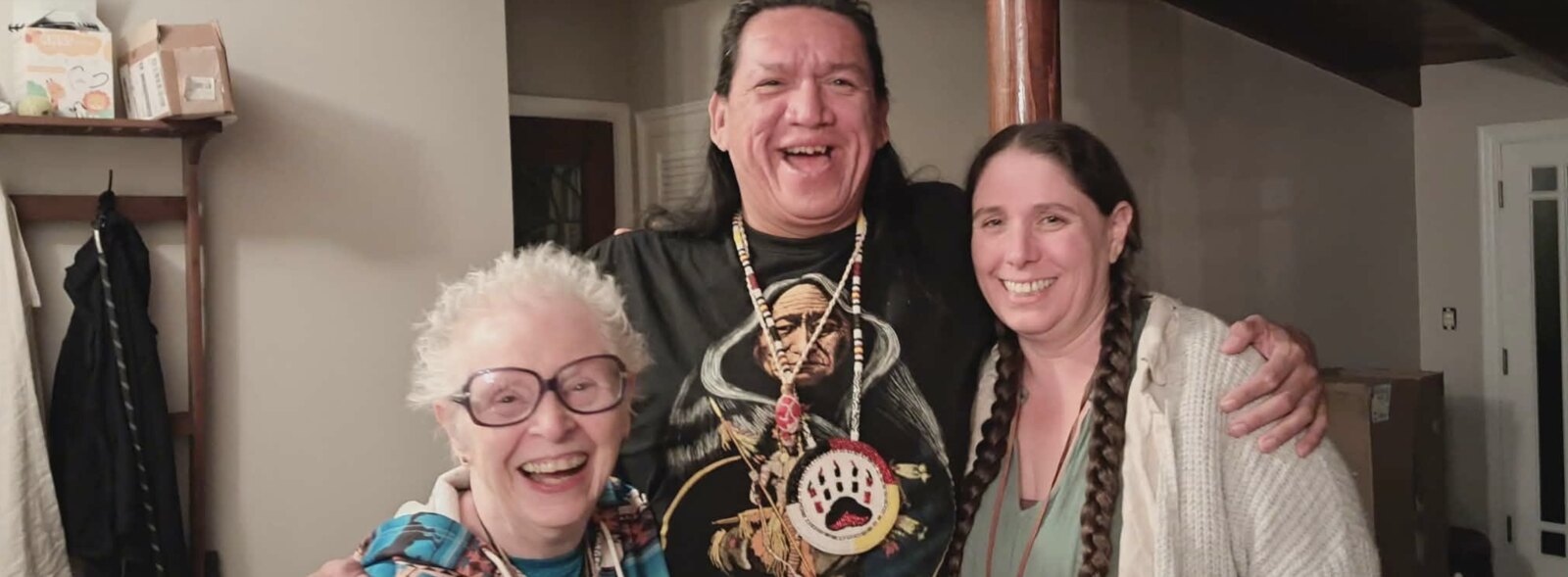
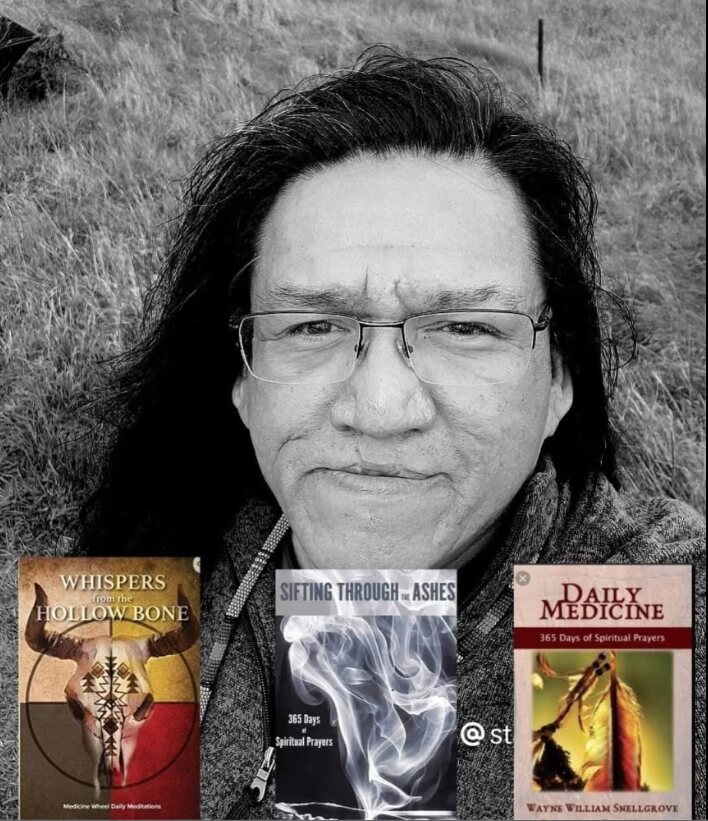
Wayne became an internationally recognized Indigenous teacher, artist, musician, speaker and author of four published books. He completed his fifth book only weeks before his crossing.
He took the wound of separation and made it a bridge.
He took a body marked by surgeries and made it powerful.
He took addiction and made it compassion.
He took grief and made it ceremony.
He took the life that was taken from him, and made it medicine for the world.
Standing Bears lived many lives in 55 years: son of Nora Smoke and Robert Kayseas. Son of Richard and Ann Snellgrove. Brother. Father. Partner. Champion. Lifeguard. Healer. Fire keeper. Author. Artist. Musician. Teacher. Friend.
He saved lives in the water. He saved lives through ceremony.
He spent his life searching for where he belonged. In the end, he taught thousands that none of us belongs alone.
We are all part of one another. A circle can never be broken.
They took him from his people. He spent the rest of his life bringing people back together.
The child they tried to erase became a man the world will never forget.