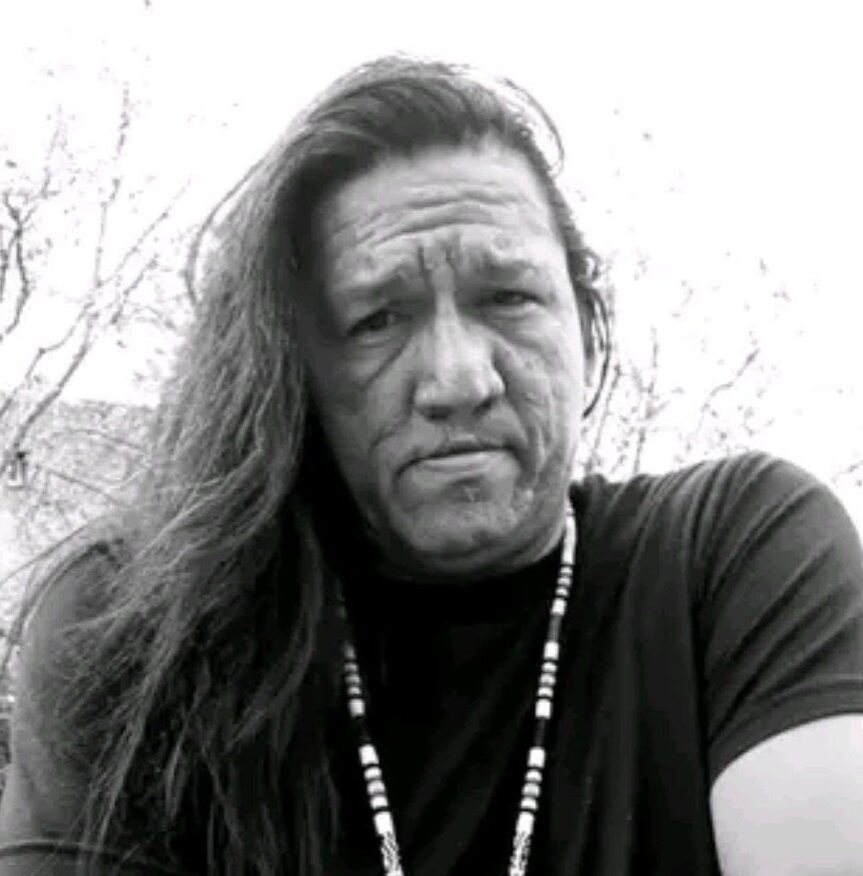
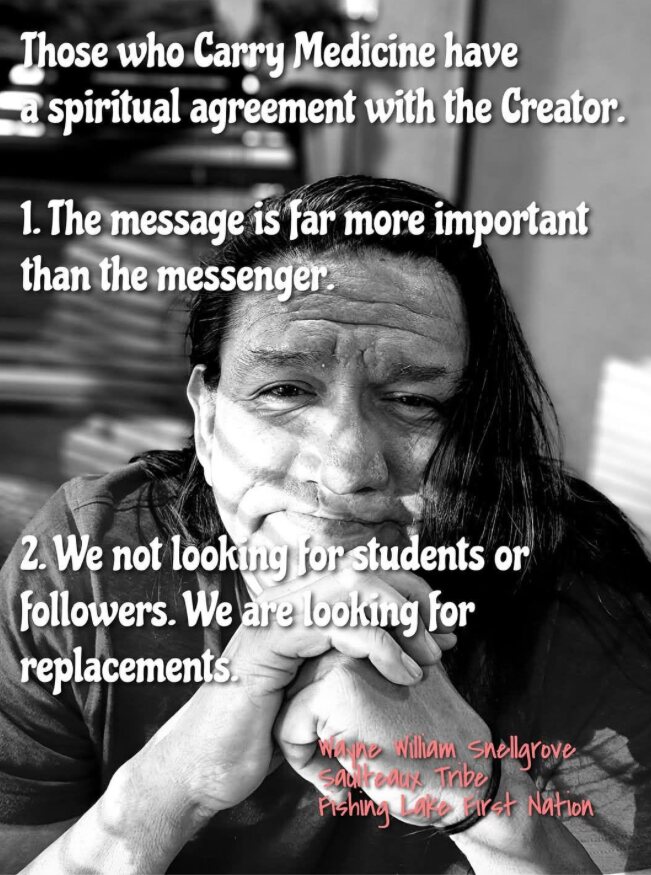
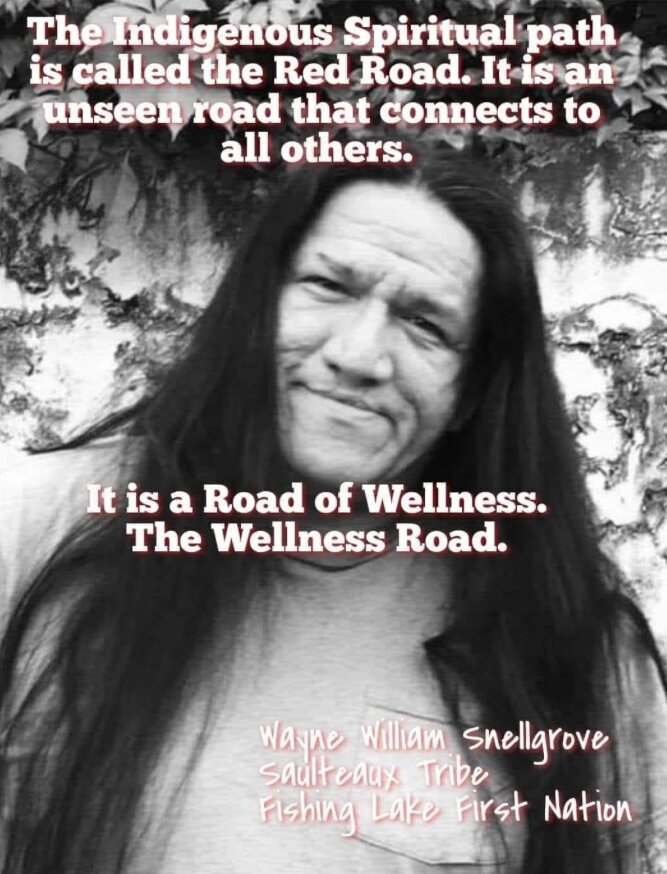
His Unfinished Work
Water Is Safety.
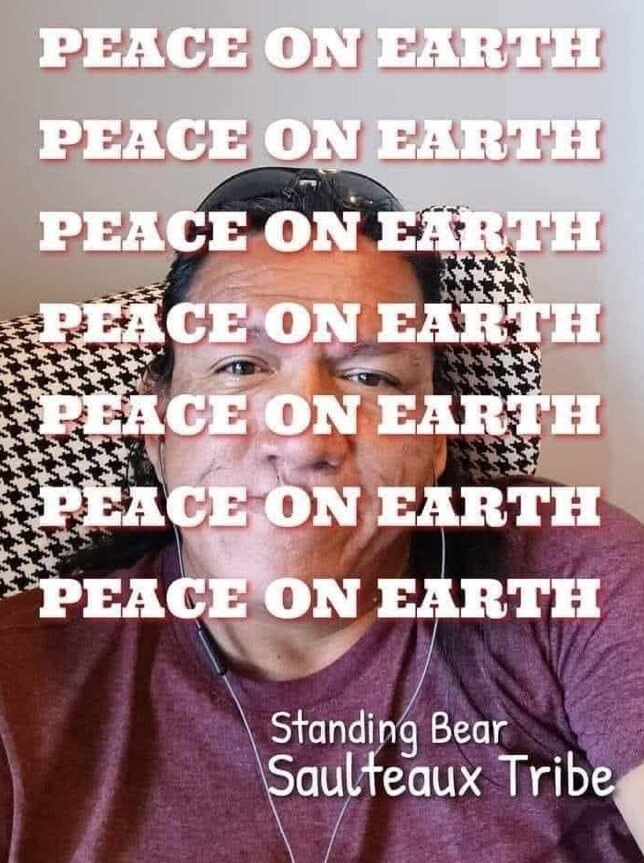
Standing Bears wanted to make sure that all of the water on Indigenous lands is safe to drink.
A connector and accelerator
There are already excellent organizations installing filters, wells and pipes. We plan to build a connector and accelerator for Indigenous-led water healing already underway worldwide.
We can map Indigenous communities, drinking-water advisories, contamination events, mines, uranium, PFAS, petroleum spills, heavy metals and water-testing data, alongside the organizations, technologies, funders, researchers and remediation experts capable of solving each problem.
May all Indigenous people drink clean water.
The framework underneath it:
A Different Model
Nations as their own cleanup authority
Indigenous Nation identifies the water problem. Community collects the data. Science identifies sources and toxins. The Nation directs the remediation. Outside capital and technology serve the Nation.
Quapaw Nation
Tar Creek, Oklahoma
Took over remediation of the Tar Creek Superfund site after decades of lead and zinc mining contamination, becoming the first Tribal Nation to manage its own Superfund cleanup.
Yurok Tribe
Klamath River
Central to the Klamath River dam removal and restoration effort, one of the largest river restoration projects undertaken in the United States.
Miccosukee Tribe
the Everglades
Deeply involved in Everglades water quality and ecological restoration, pushing for Indigenous knowledge and Tribal priorities in management decisions.
The Partners
Who's already doing this work
There is no reliable master database containing every organization on Earth working on Indigenous water, clean drinking water, pollution, toxic spills, watershed restoration, and remediation. Treat this as a living global partner map, not a claim of literal completeness.
Indigenous water organizations and direct community programs
Organizations researching or cleaning toxic contamination
Particularly relevant if the vision goes beyond installing filters, to ask: what poisoned this watershed, where is it coming from, and how do we remove it.
Major global clean-water organizations
Less Indigenous-specific, but relevant for technology, financing, and implementation models at scale.